A size guide is useful when the customer must translate a label into a physical fit. Clothing is an obvious example, but sleeves, covers, replacement parts, and storage products can create the same problem. If “small” does not give enough information to choose, a guide may help.
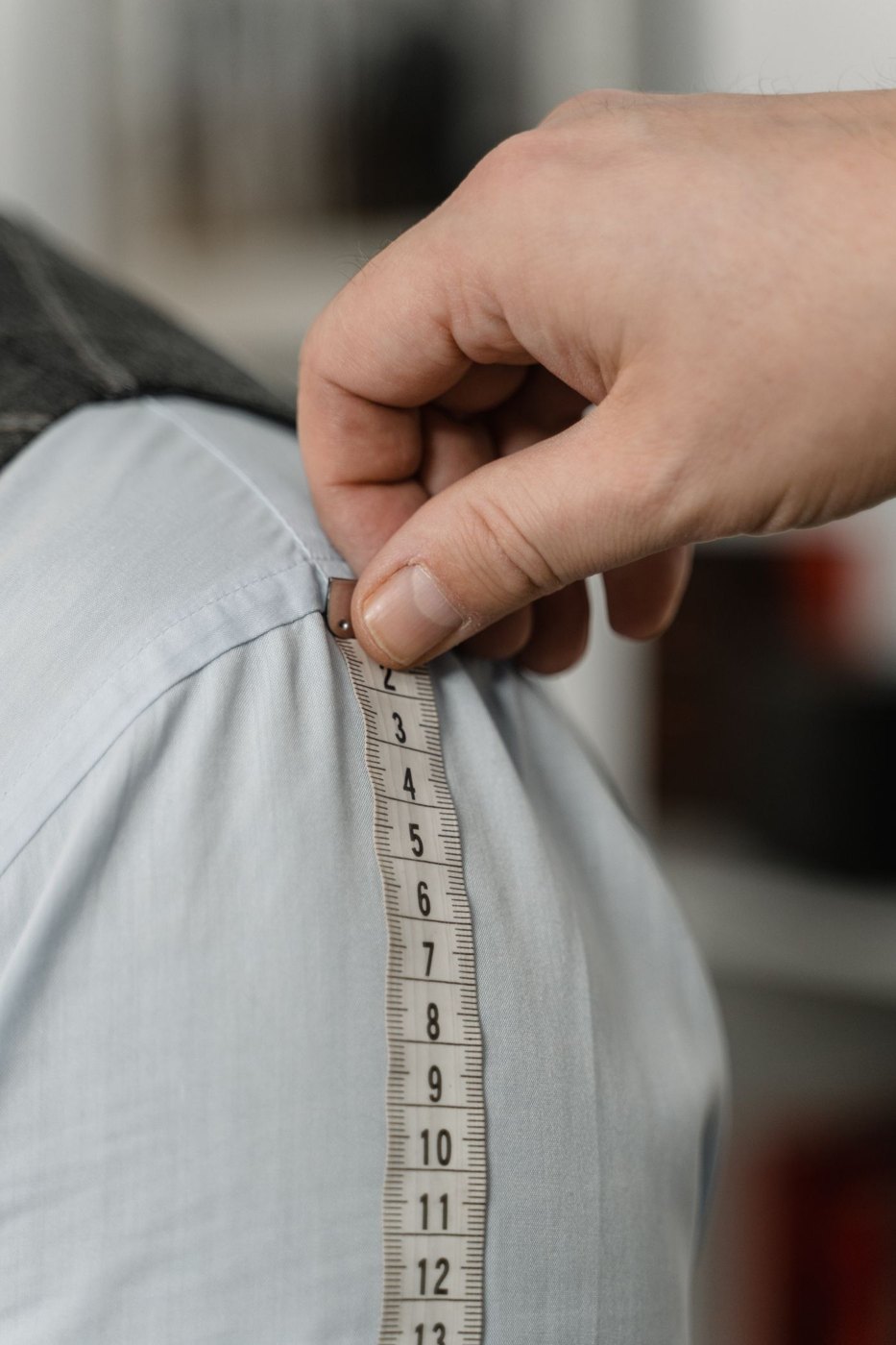
Begin with the measurement the customer needs to take. Body measurements, garment measurements, and product dimensions are not interchangeable. State which the chart uses and show where to measure. A chest measurement around a person is different from the width of a shirt laid flat.
Match the guide to the actual range
Do not attach one generic chart to products with different cuts or sizing systems. Identify the products or variants the guide covers. If a supplier changes the range, check whether the measurements changed before reusing the previous chart.
Use clear units and consistent labels. If you provide conversions, verify them and explain rounding where it could affect a close fit. Avoid a chart so wide that a phone user loses track of the row and column they are comparing.
For a protective sleeve, dimensions and device shape may matter more than a nominal screen size. For a fitted cover, explain the relevant depth or clearance as well as width and length. The guide should answer the actual fit question rather than copy the most familiar chart format.
Explain uncertainty honestly
Materials, stretch, construction, and customer preference can affect fit. Describe relevant characteristics without guaranteeing an outcome from incomplete information. If the product falls between sizes or requires an exact model match, provide the appropriate decision information or a support route.
Show the guide near the size selection, not only in a distant help section. Keep the selected product context clear when the guide opens, and make sure it can be closed easily on a phone and with a keyboard.
Learn from the questions
Review size-related inquiries and returns for missing explanations. If customers repeatedly measure the wrong part, improve the diagram or wording. If a particular item differs from the rest of the range, update its own guidance rather than adding a vague warning to every product.
A guide is successful when it helps people choose or recognize that an item will not fit. Its purpose is not to make every uncertain shopper select a size and hope for the best.