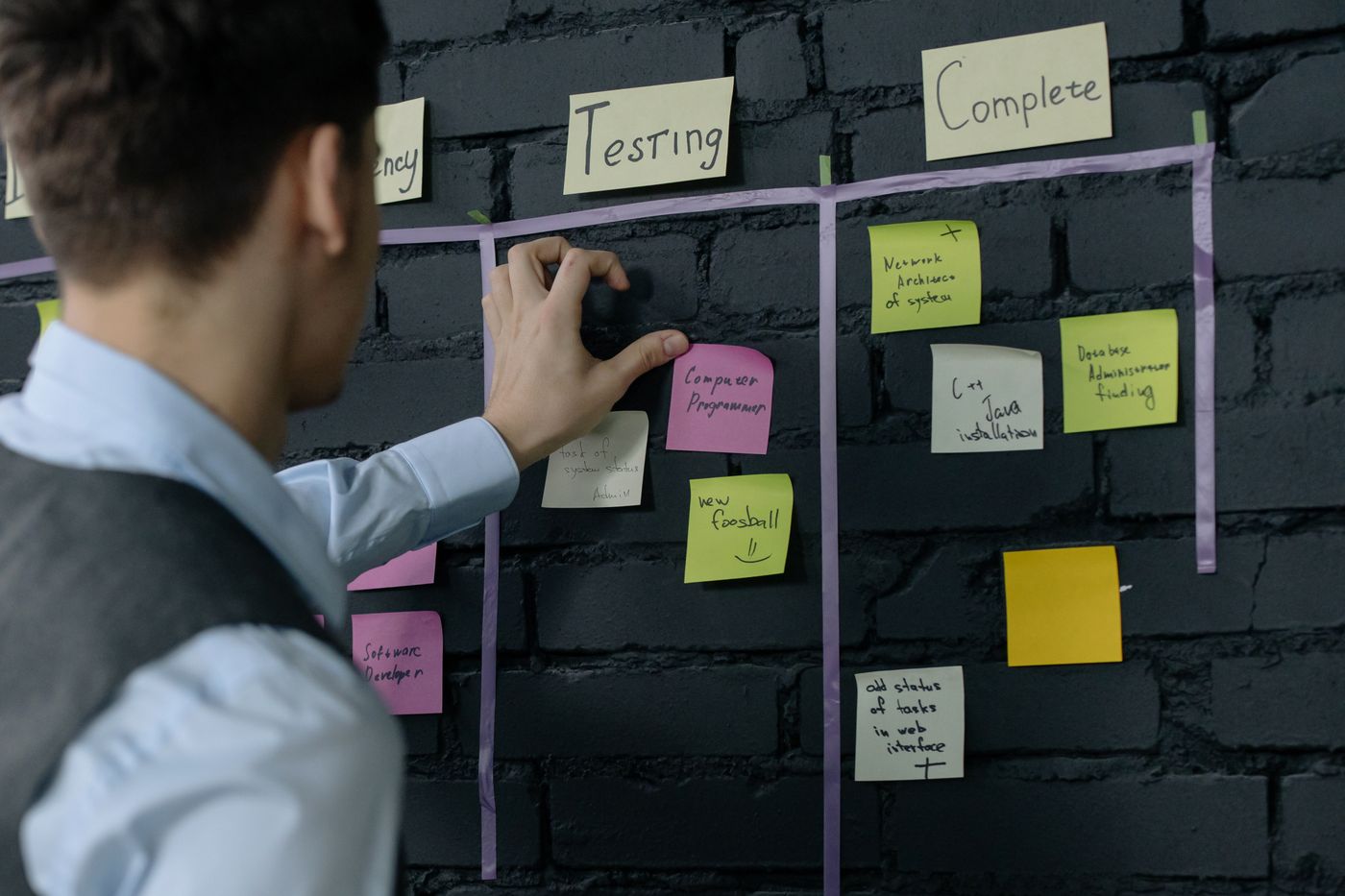
The project has been agreed, but that does not mean everyone knows how to begin. A kickoff meeting creates a shared starting point: what is being delivered, how people will work together and what must happen first. It is most useful when the agenda is short enough to leave time for unresolved questions.
Send the current scope and schedule beforehand. Ask participants to read them and identify any change since the proposal. Include the people who will supply essential material or approve the work, rather than inviting everyone who might eventually see the result.
Start by restating the purpose of the project in a sentence or two. Then check the boundary: what is included now and what belongs to a possible later phase. This is a chance to notice an assumption, not a reason to reopen every decision without considering its effect.
For a small brochure project, the opening decisions might be the page count, the source of the product descriptions and the person approving the printer's proof. Spend the meeting on those matters before discussing a speculative second brochure. If the product descriptions are not ready, agree who will gather them and whether the design can begin with representative text. This is more useful than assigning a generic 'content' task to the whole client team.
Confirm roles by activity. Who supplies the product details? Who gathers feedback? Who approves the final text? Who can resolve an access problem? “The client will handle it” is not specific enough when several people represent the client.
Walk through the next milestone in detail. For a site update, that could mean agreeing the page list and receiving source material before a first draft begins. Check where the files will be stored, which version to use and the expected date. There is little value in debating the final launch announcement while the first input is missing.
Agree the normal communication channel and the place where decisions are recorded. Explain how urgent problems should be raised and what response times are realistic. Avoid promising constant availability as a substitute for a clear process.
Leave a few minutes for risks or uncertainties. An unavailable reviewer, an old account with unknown ownership or a dependency on another supplier may affect the work. Assign an action to investigate each material issue rather than trying to solve every technical detail during the meeting.
Send a brief recap with decisions, owners and dates. Label open questions as open. If the meeting changed the scope or schedule, confirm those changes through the agreed process before treating them as settled. A useful kickoff ends with people knowing what to do next, not merely feeling that the project has officially started.