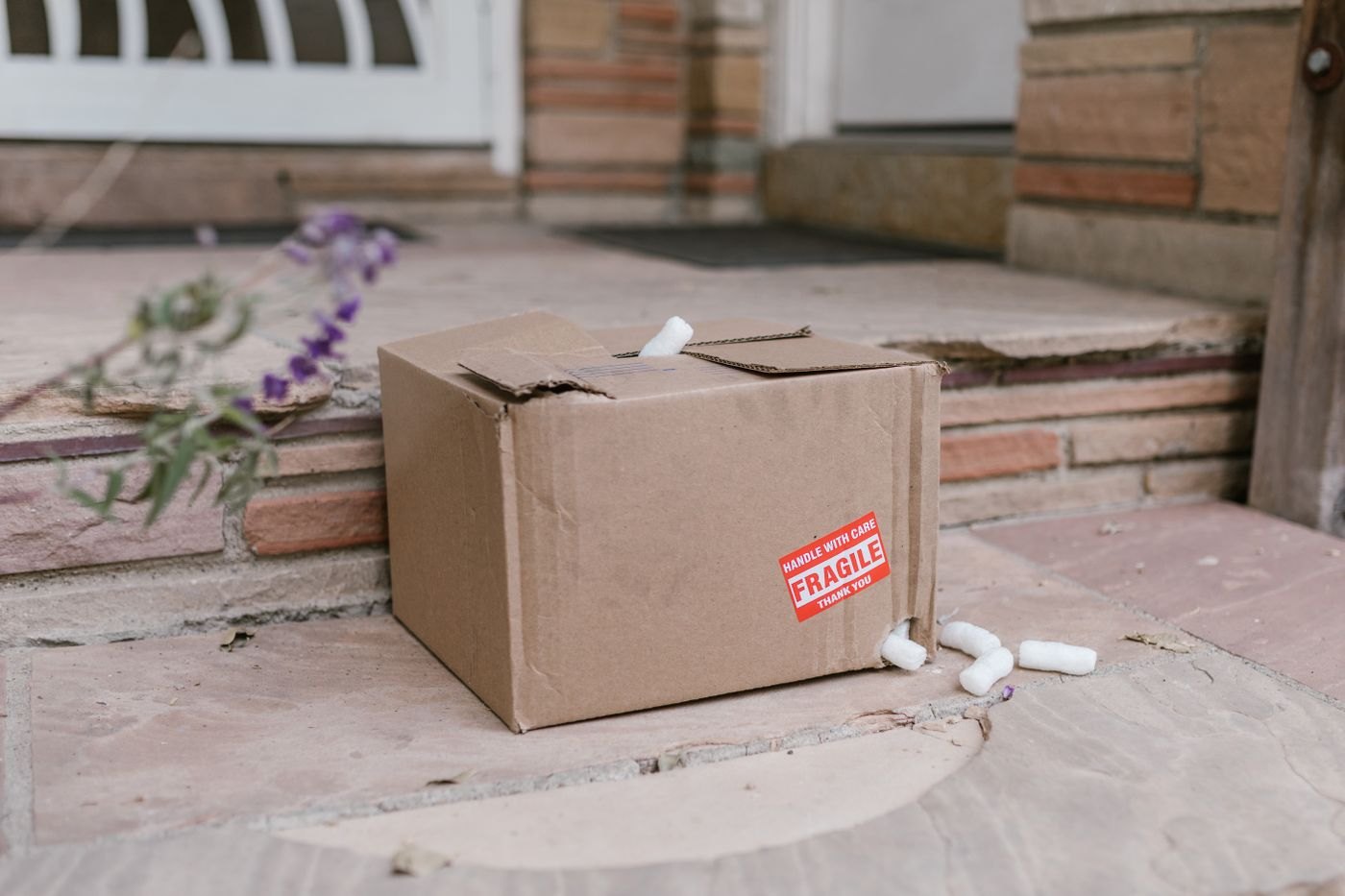
A damaged-item report usually begins with disappointment, not a complete evidence file. Acknowledge the problem and explain what information will help the store resolve it. Avoid making the first reply a long list of demands that leaves the customer unsure whether anybody is taking responsibility.
Ask for the order reference, the affected item, and a brief description of the damage. Photographs can help when they are relevant and reasonably obtainable. Do not ask a customer to handle broken glass, leaking material, or another hazard just to produce a better image.
Separate resolution from investigation
The customer needs to know what happens next; the business may also need information for a carrier claim or quality review. Explain those requests rather than treating them as the same process. Follow applicable consumer obligations and the actual store policy when deciding the remedy.
Give staff a clear route for approving a replacement, refund, or further assessment. Record who can make the decision and how exceptional cases are escalated. An unclear internal approval process can lead to repeated requests for the same information.
Keep the record useful
Log the product and variant, damage description, packaging condition where known, and outcome. Use factual notes rather than assumptions about who caused the problem. A crushed outer box and a product defect may need different follow-up even if both require customer help.
If a replacement is sent, confirm the address through the normal process and provide accurate dispatch information. If an item must be returned, explain the approved method and any handling precautions. Do not instruct customers to mail potentially restricted or hazardous material through an ordinary return route without checking the relevant rules.
Look for patterns after the case closes
Review repeated reports by item, packaging method, or fulfillment batch. One damaged parcel may be an isolated event; several similar failures may justify changing the packaging or pausing a product for investigation.
Keep the customer-facing instructions easy to find, ideally from the order message or help area. The person should not have to guess whether to contact the carrier, supplier, or store first. A clear process reduces repeated correspondence and gives the business better information for preventing the next problem.